Iran has said an agreement with Oman over the management of maritime traffic through the Strait of Hormuz is close to completion, but Tehran has made clear that the deal alone will not reopen the strategically vital waterway.Iranian officials said on August 8 that reopening the strait would depend on broader conditions involving the United States.
Tehran is demanding an end to hostilities, changes to US military activity around Iran, sanctions relief and compensation for losses linked to the conflict. The announcement has complicated hopes for a quick restoration of normal shipping through the waterway, which carries a major share of global oil and liquefied natural gas supplies. Reuters reported that Iran views the Oman arrangement as a necessary step, but not sufficient by itself to restore unrestricted maritime traffic.
Tensions Flare In Waterway Ahead Of Strait Of Hormuz Deal With Oman

Recent tensions have further heightened uncertainty in the region after reports of a UAE-linked oil vessel being targeted in a missile incident, which Gulf officials have described as a serious escalation risk for commercial shipping lanes. The incident has added pressure on regional powers to stabilise maritime security before any full reopening of the strait can be considered.
At the same time, global energy markets have reacted sharply to the ongoing uncertainty. Brent crude prices have remained volatile, with traders factoring in the risk of supply disruptions through Hormuz. Even small disruptions in tanker traffic have historically triggered price spikes due to the strait’s role in transporting nearly a fifth of global oil flows.
What Is Iran Demanding?
Iran’s position goes beyond simply agreeing on which ships can pass through Hormuz. Tehran wants the United States to address several broader issues before normal traffic resumes.
Iranian officials have linked the reopening to the removal of sanctions, an end to military pressure and compensation for damage caused during the conflict. Iran has also insisted that American military vessels cannot simply resume normal passage under the same conditions as before.

Oman has played a central diplomatic role in negotiations, but the UAE has separately accused Iran of targeting one of its oil-linked vessels with a missile, adding another layer of tension around the waterway. These developments have reinforced concerns that maritime security in the Gulf remains fragile despite ongoing diplomatic efforts.
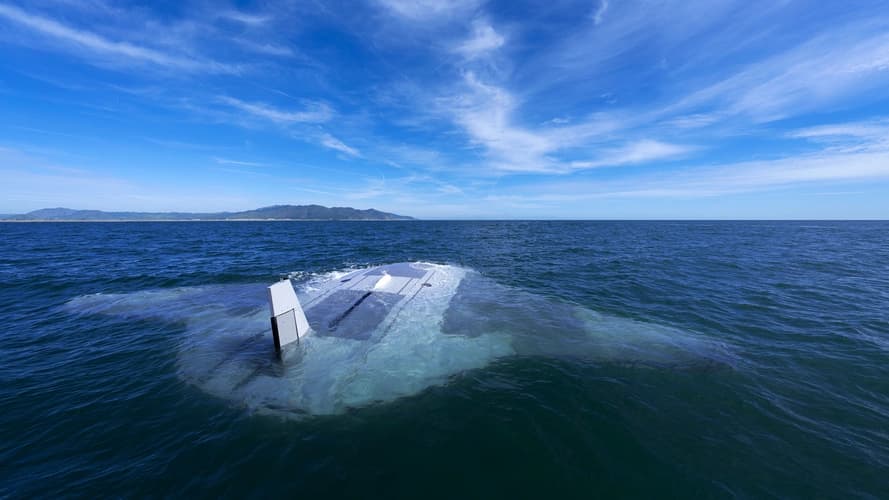
ALSO READ: US Navy May Deploy ‘Manta Ray’ Autonomous Submersibles in the Strait of Hormuz, What Are They?
Why the Strait of Hormuz Matters
The Strait of Hormuz connects the Persian Gulf with the Gulf of Oman and the wider Arabian Sea. It is one of the world’s most important energy chokepoints.
Any prolonged disruption affects not only oil exporters such as Saudi Arabia, the UAE, Kuwait and Iraq, but also major importers across Asia, including India, China, Japan and South Korea.

Shipping disruptions can push up crude prices, insurance premiums and freight costs, eventually affecting fuel prices and inflation worldwide. Analysts note that even the threat of closure or restricted passage is often enough to move global oil benchmarks by several dollars per barrel, reflecting how sensitive markets are to developments in the region.
What Happens Next?
The key question is whether Washington will accept Tehran’s conditions. Even if Iran and Oman finalize their maritime arrangement, broader political and security disagreements could prevent the strait from fully reopening.
For global energy markets, the uncertainty itself is significant. A prolonged Hormuz disruption could keep oil prices elevated and force major importers to rely more heavily on alternative suppliers and strategic reserves.
The latest developments therefore suggest that reopening the Strait of Hormuz is not simply a shipping agreement. It has become part of a much wider geopolitical negotiation between Iran, regional Gulf states, and the United States, with direct implications for global crude prices and energy security.