The Reserve Bank of India may consider raising interest rates if rising oil prices and geopolitical tensions cause inflationary pressure to intensify, according to the latest signals from India’s monetary policymakers. The RBI kept its policy rate unchanged at 5.25% at its August meeting, but policymakers have indicated that future decisions will depend heavily on the inflation outlook.
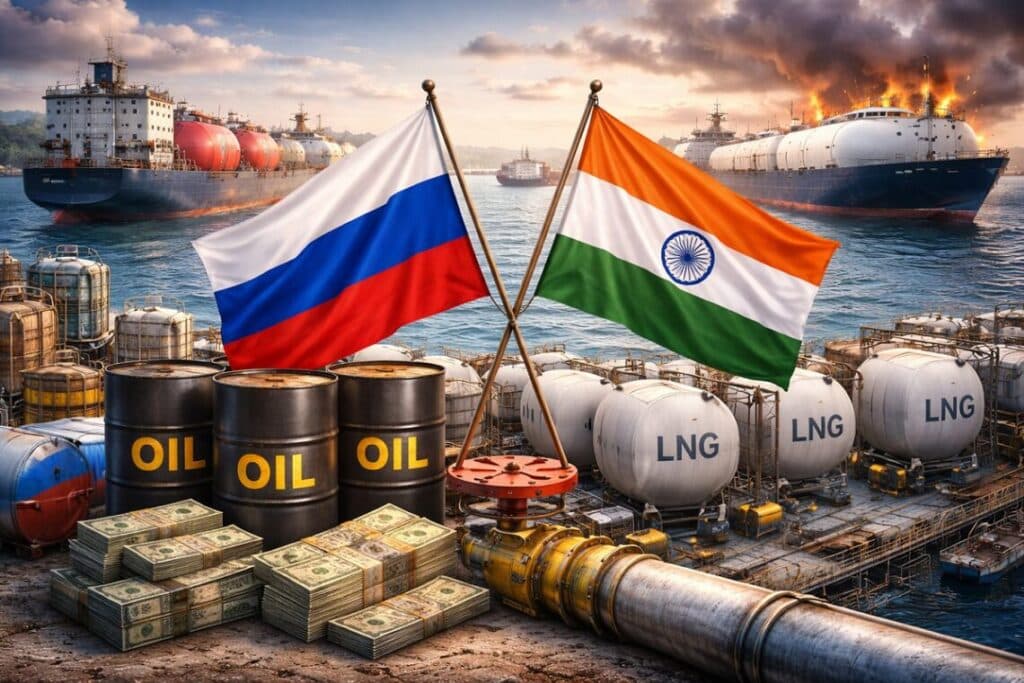
The concern comes as the ongoing Middle East crisis pushes crude oil prices toward $92 per barrel, increasing the risks for India’s import-dependent economy.
Why Oil Prices Matter to India
India imports the majority of the crude oil it consumes. When international oil prices rise, the impact can spread across the economy through petrol, diesel, transportation, manufacturing and logistics costs.

Higher energy costs can eventually increase the prices of goods and services, making it harder for the RBI to maintain inflation at comfortable levels. The current oil shock is linked largely to the disruption surrounding the Strait of Hormuz, through which a significant portion of global energy supplies normally passes.
Inflation Already Rising
India’s retail inflation accelerated to 4.45% in July, driven partly by higher food prices. Although inflation remains within the RBI’s tolerance framework, policymakers are becoming increasingly cautious about the possibility that higher energy prices could broaden inflationary pressures.
The central bank therefore faces a difficult balancing act. Raising rates could help contain inflation expectations, but higher borrowing costs could also weaken investment and consumer demand.
ALSO READ: Tata Sons AGM Adjourned as Chandrasekaran Exit Triggers Leadership Crisis
What Would a Rate Hike Mean for Consumers?
If the RBI eventually raises the repo rate, banks could increase lending rates.
That could make:
- Home loans more expensive
- Personal loans costlier
- Business borrowing more expensive
- EMIs higher
- New investment less attractive
Existing borrowers with floating-rate loans could be particularly affected.
However, banks do not necessarily pass on every RBI rate change immediately or equally.
Rupee Under Pressure
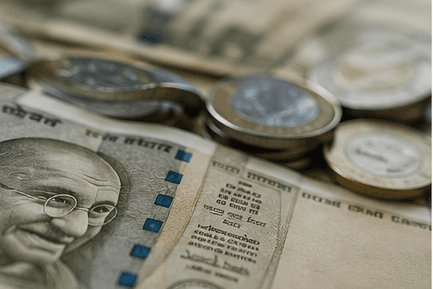
The oil shock is also putting pressure on the Indian rupee. The currency fell to around ₹95.75 per US dollar on Wednesday, its weakest level in roughly three weeks. Higher crude prices increase India’s dollar demand because oil imports require payment in foreign currency.
A weaker rupee can make imported goods more expensive, potentially adding another layer of inflation.

This creates a difficult cycle:
Higher oil → higher import bill → weaker rupee → more expensive imports → inflation pressure.
RBI’s Growth Challenge
The central bank also has to protect economic growth. India’s economy continues to expand at a relatively strong pace, but aggressive rate hikes could slow credit growth and investment.
That is why policymakers are likely to watch oil prices, inflation expectations and the rupee closely before making their next major decision.
What Happens Next?
The RBI has not announced that a rate hike is imminent.Instead, policymakers have signalled that future increases remain possible if inflation risks become more persistent.
The trajectory of the Iran conflict and the Strait of Hormuz could therefore become increasingly important for India’s monetary policy. If oil prices remain elevated for an extended period, Indian consumers could face higher fuel and transport costs while borrowers could eventually face higher interest rates.