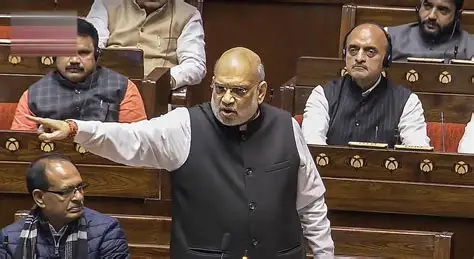
The Prevention of Insults to National Honour (Amendment) Bill, 2026 or the Vande Mataram Bill, successfully passed through both houses of Parliament, clearing the Lok Sabha on Thursday via a voice vote after being passed by the Rajya Sabha the previous day. The Bill now awaits the President’s assent to become law.
The legislation amends Section 3 of the Prevention of Insults to National Honour Act, 1971. It extends the same legal protection currently afforded to the National Flag, the Constitution, and the National Anthem (‘Jana Gana Mana’) to the National Song, ‘Vande Mataram’.
What Does Vande Mataram Bill Say?
Under the new amendment, it is a criminal offence to intentionally prevent the singing of the National Song or to deliberately cause a disturbance to an assembly engaged in singing it. Such offences are punishable with up to three years’ imprisonment, a fine, or both.

The Bill’s passage coincides with the 150th anniversary year of Vande Mataram, which was composed by Bankim Chandra Chattopadhyay. Piloting the Bill, Minister of State for Home Affairs Nityanand Rai stated that the legislation is “for Indian pride” and framed it as a matter of “India’s soul” and cultural legacy.

The passage of the Bill was met with fierce opposition. The debate in both Houses unfolded against a backdrop of anger over the alleged use of pellet guns on NEET paper-leak protesters, with opposition members demanding the presence of Home Minister Amit Shah.
ALSO READ: Lok Sabha Passes Anti-Paper Leak Bill 2026 Amid Heated Debate
RECOMMENDED FOR YOU: Rahul Gandhi Detained at Lok Kalyan Marg Amid Massive Protest Over NEET Paper Leaks
DMK MP Kanimozhi strongly opposed the Bill in the Lok Sabha, accusing the government of pushing a ‘Hindutva’ agenda “masquerading as nationalism”. She argued that mandating all six verses of the song under the threat of criminal prosecution is an attempt to polarize the nation and is an insult to states like Tamil Nadu that have their own state songs.