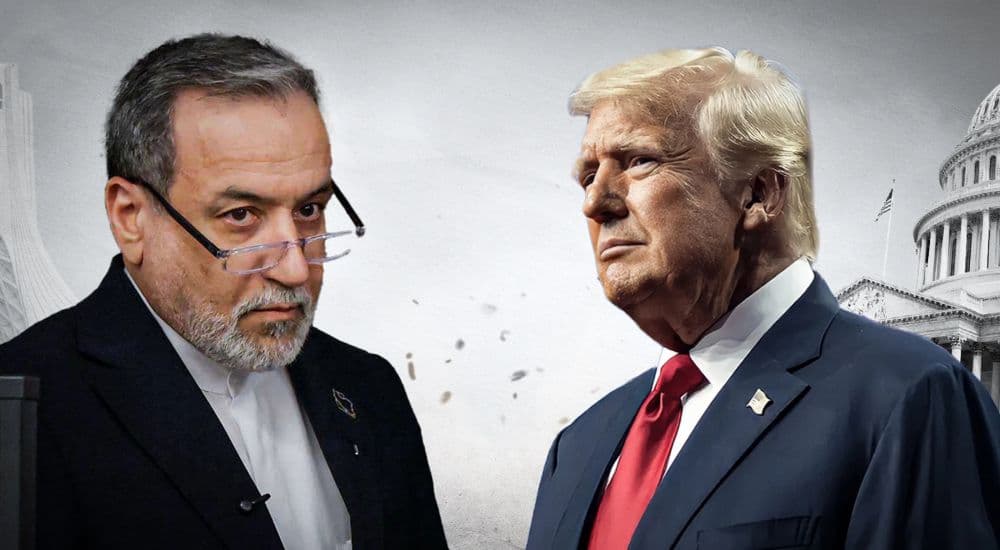
The confrontation between Iran and the United States has intensified after Tehran warned that it could shift to a more offensive military posture if diplomacy fails, while US President Donald Trump said Tuesday that no talks with the regime are currently taking place or scheduled.
The conflicting positions have raised fresh fears that the fragile diplomatic track could collapse completely, potentially prolonging the crisis around the Strait of Hormuz, one of the world’s most important oil-shipping routes.
An Iranian official said Tehran was prepared to take difficult decisions if negotiations failed and warned of a possible military operation aimed at breaking the US naval blockade. The statement came after the deadline associated with an interim agreement between Washington and Tehran passed without a final settlement.
Trump Says No Iran Talks Are Scheduled
Trump said Tuesday that there were “no talks or conversations” underway or scheduled with Iran. He also said the US naval blockade remained in force and claimed that the Strait of Hormuz was open and operating, directly contradicting Tehran’s position that the waterway would remain closed until Washington fulfilled the terms of the interim agreement.

The competing claims make the status of the waterway increasingly difficult for international shipping companies to assess.
Hormuz Remains the Key Flashpoint
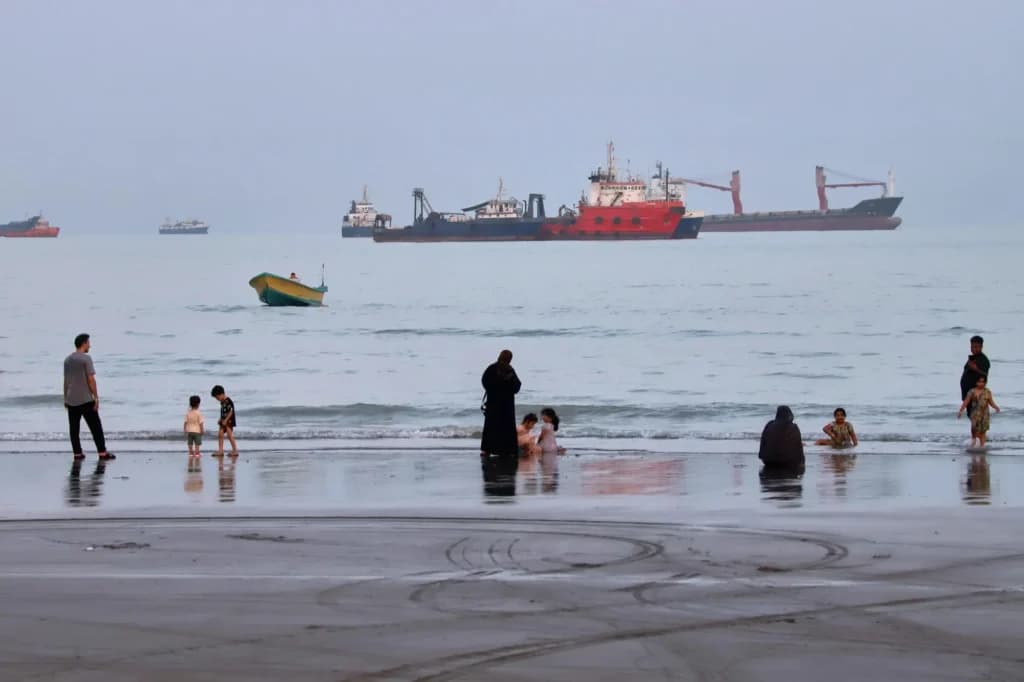
The Strait of Hormuz connects the Persian Gulf with the Gulf of Oman and is a crucial route for global energy supplies. The current confrontation has dramatically reduced commercial shipping through the waterway. The decline has raised concerns about crude oil availability, shipping insurance costs and energy prices.

A prolonged disruption could affect major oil importers in Asia, including India, China, Japan and South Korea, while also putting pressure on Gulf producers that depend heavily on maritime exports.
ALSO READ: Strait of Hormuz Crisis Deepens as Iran Threatens Offensive Action
Why the Diplomatic Track Matters
The current crisis is linked to an interim understanding reached earlier in the conflict that was intended to create a framework for ending hostilities and addressing broader disputes. Major disagreements remain over US sanctions, Iran’s nuclear programme, military operations and the future of maritime traffic through Hormuz.
Iran wants Washington to fulfil commitments it says were part of the earlier arrangement. The US has instead continued to demand concessions from Tehran.
What Happens Next?
The immediate concern is whether the two sides return to negotiations or move toward further military escalation. A breakdown in diplomacy could prolong the disruption to Hormuz and increase pressure on global energy markets.
For now, Washington says no talks are scheduled, while Tehran is warning that it may adopt a more aggressive military posture. That combination makes the Strait of Hormuz one of the world’s most dangerous geopolitical flashpoints.
Tags: Iran US conflict, Iran news, Donald Trump, Strait of Hormuz, Hormuz crisis, Iran war, US Iran talks, oil crisis