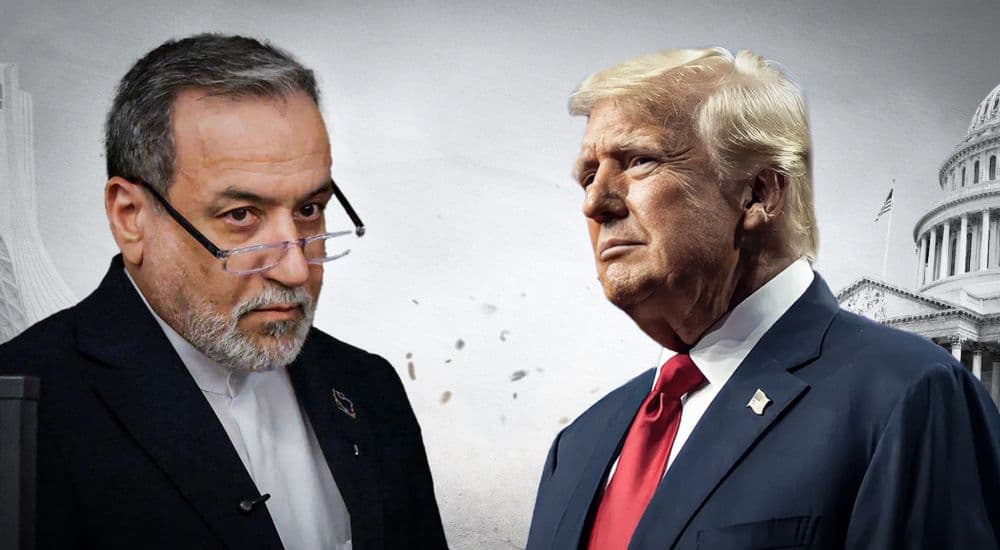
US President Donald Trump has rejected a proposal from Iran that offered a seven-day roadmap to reopen the Strait of Hormuz and resume nuclear negotiations, according to reports published on September 26, 2026.
The development comes as the conflict involving the United States and Iran continues to affect one of the world’s most strategically important maritime routes.
Iran’s proposal was reportedly transmitted through Qatar, with Tehran offering a framework involving the reopening of the Strait of Hormuz and the resumption of nuclear talks within seven days.
View tweet
What Was Iran’s 7-Day Proposal?
According to reports, Iran proposed a seven-day process that would involve reopening the Strait of Hormuz and restarting negotiations over its nuclear programme. The proposal was communicated through Qatari mediators as diplomatic efforts continued around the conflict.

The Strait of Hormuz is a crucial route for global energy shipments, making any prolonged disruption significant for oil markets, shipping companies and countries dependent on imported energy.
Why Did Trump Reject Iran’s Proposal?
Reports citing US officials said Trump was sceptical about Iran’s willingness to fulfil the commitments required under the proposal. The Wall Street Journal reported that Trump rejected the seven-day ceasefire proposal and was considering the possibility of resuming military action after the US midterm elections. These claims have been reported by multiple outlets citing the newspaper’s reporting.
The White House’s position and subsequent developments should be followed for any formal clarification or change in policy.
Why Is the Strait of Hormuz So Important?
The Strait of Hormuz connects the Persian Gulf with the Gulf of Oman and the wider Arabian Sea. It is one of the world’s most important energy corridors. Any prolonged disruption can affect shipping costs, insurance premiums, oil supplies and global energy prices.

For countries such as India, which imports a significant amount of crude oil, prolonged instability around the waterway can have wider economic implications.
What Happens Next?
The immediate focus is likely to remain on whether diplomatic channels can produce a revised proposal and whether Washington and Tehran can agree on conditions for reopening the Strait. The situation also has implications beyond the US and Iran because disruptions to shipping can affect energy markets and global supply chains.
For now, Iran’s seven-day proposal has not produced an agreement with Washington.
ALSO READ: Tensions Explode as Trump Launches “Powerful” Fresh Strikes on Iran
FAQs
What was Iran’s seven-day proposal?
Iran reportedly proposed reopening the Strait of Hormuz and resuming nuclear talks within seven days through a diplomatic framework involving Qatar.
Did Trump accept Iran’s seven-day deal?
No. Reports published on September 26 said Trump rejected the proposal.
Why is the Strait of Hormuz important?
The Strait is a major global energy shipping route, making disruption there important for oil markets and international trade.
Will the Iran war affect oil prices?
Prolonged disruption around the Strait of Hormuz can place pressure on energy markets, although actual price movements depend on supply, demand, inventories, shipping and geopolitical developments.