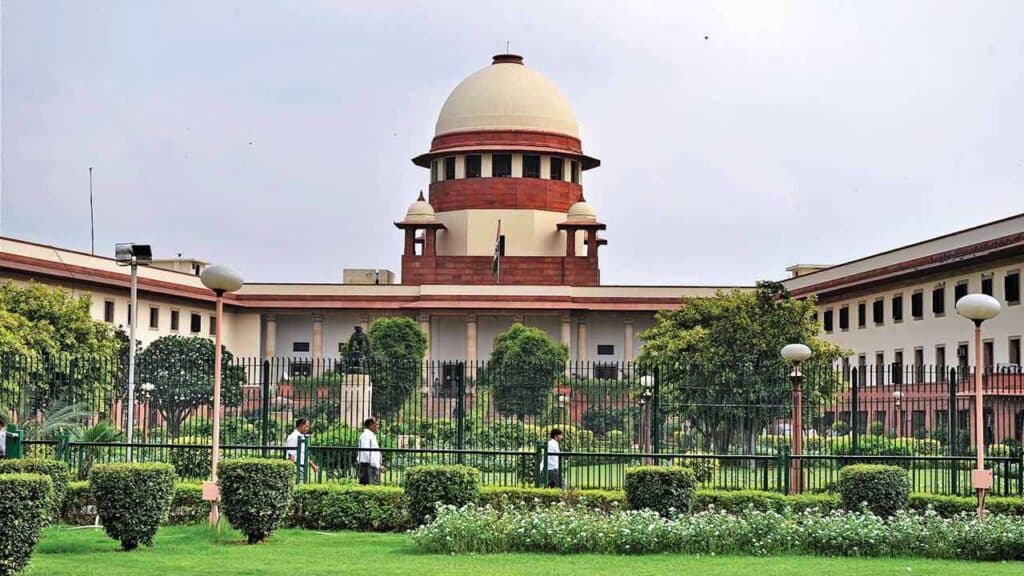
NEW DELHI: In a significant move to address the mounting backlog of cases in India’s highest court, the Lok Sabha on Monday, August 3, 2026, passed the Supreme Court (Number of Judges) Amendment Bill by a voice vote.
The legislation replaces an ordinance promulgated by President Droupadi Murmu in May. Its primary objective is to increase the sanctioned strength of Supreme Court judges from the current 33 to 37 (excluding the Chief Justice of India), bringing the total possible strength to 38.

Why Is Supreme Court Amendment Bill Important?
Union Minister of Law and Justice Arjun Ram Meghwal, who moved the bill after the House met following a second adjournment at 2:00 PM, framed the legislation as an essential part of an ongoing reform process in the judicial sector. He stated the bill was brought forward specifically due to the “rising number of pending cases” and to enhance the efficiency of the judicial system.

The necessity of the bill is underscored by alarming pendency statistics. According to a correspondent report, as of January 1, 2026, over 92,000 cases were pending in the Supreme Court.
ALSO READ: Supreme Court Observes Pellet Guns May Be Used in ‘Exceptional Circumstances’
Despite the court working near its previously full sanctioned capacity of 34 judges since 2019, the volume of litigation continues to outpace disposal. Last year, the court recorded the institution of 75,410 fresh matters against the disposal of over 65,000 cases, highlighting a persistent gap that complicates docket management.
The passage of the bill occurred amidst a turbulent monsoon session, which has been marked by frequent adjournments and opposition protests over various issues, including demands related to the NEET-UG paper leak protest.