India has stepped up its diplomatic engagement in the Russia-Ukraine war, with External Affairs Minister S. Jaishankar arriving in Kyiv and offering New Delhi’s help in bringing the conflict to an end.
During talks with Ukrainian Foreign Minister Andrii Sybiha on Thursday, Jaishankar reiterated India’s position that the war must ultimately be resolved through dialogue and diplomacy.
“If India can be of any help, in any manner, we are there,” Jaishankar said, stressing that solutions would not emerge from the battlefield. The visit comes just days after Prime Minister Narendra Modi met Russian President Vladimir Putin on the sidelines of the Shanghai Cooperation Organisation summit in Bishkek.
Modi’s Message to Putin
During his meeting with Putin, Modi called for an end to the “endless war”, arguing that the conflict must move toward a diplomatic solution. Ukraine has now publicly welcomed that message.

Sybiha described India as a “global power” and said Kyiv welcomed Modi’s call to move from an endless war toward an end to the war. He added that Ukraine was ready for diplomacy. The development is significant because India maintains close strategic ties with Moscow while simultaneously developing deeper relations with Kyiv and Western countries.
Jaishankar Meets Zelensky
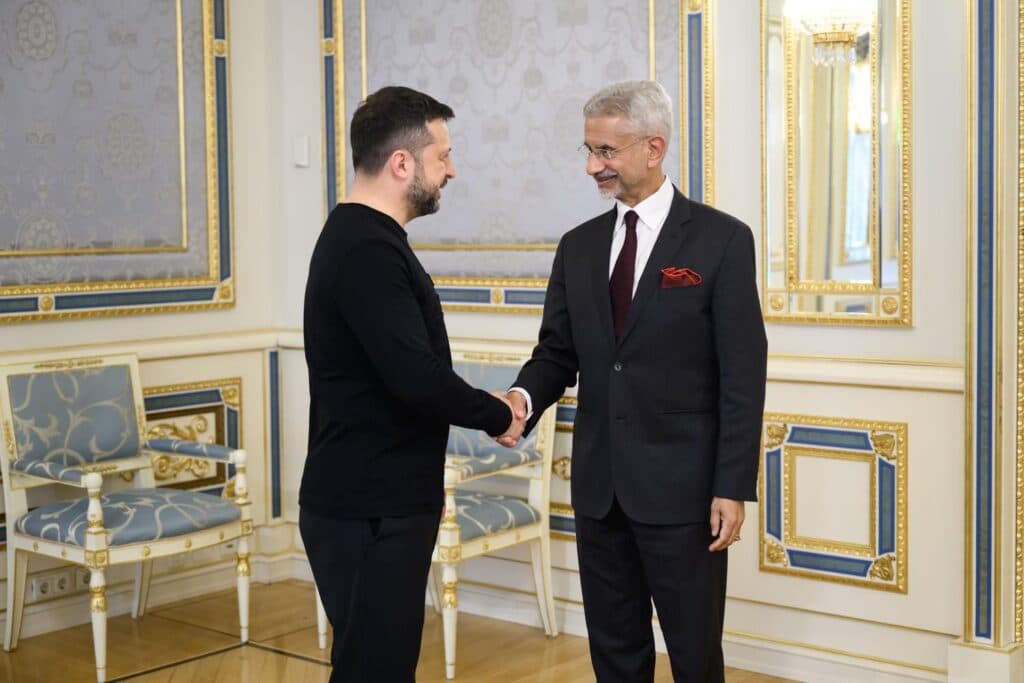
Jaishankar also met Ukrainian President Volodymyr Zelenskyy in Kyiv. Their discussions focused on approaches to ending the conflict, bilateral cooperation and the wider consequences of the war. Zelenskyy thanked India for its efforts and highlighted issues involving the Black Sea, commercial shipping and food security.

The timing of Jaishankar’s visit is particularly important because fighting has continued to intensify despite diplomatic efforts.
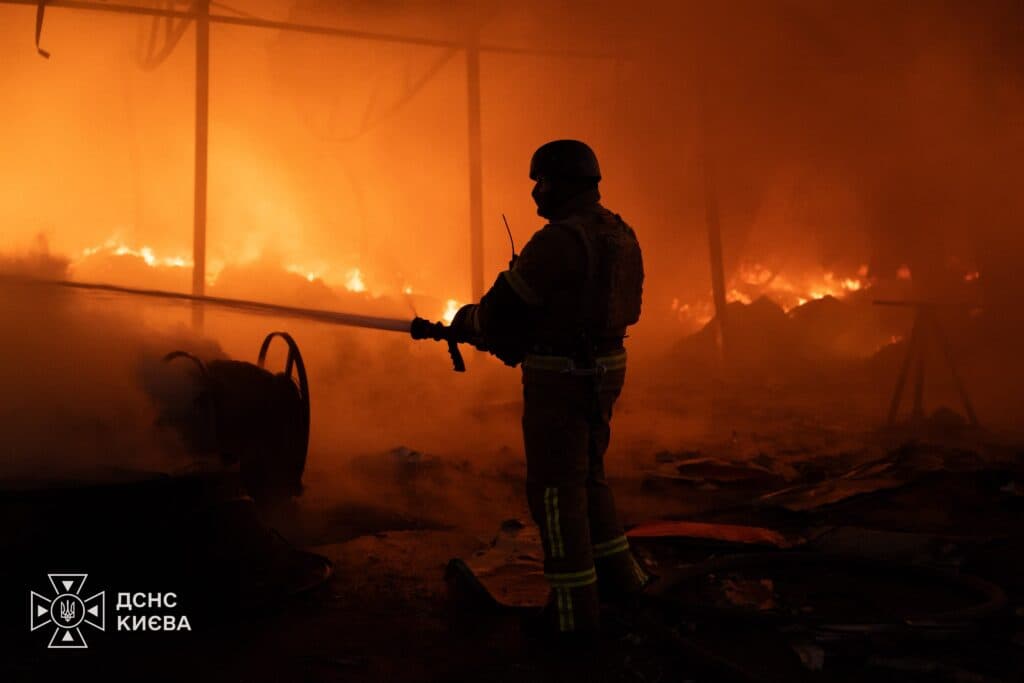
India’s delegation also arrived shortly after an Indian national was killed in a Russian strike in Kyiv, according to Jaishankar.
Black Sea Security Becomes a Major Concern
The Black Sea has emerged as another important part of India’s diplomatic calculations. Attacks involving ports and commercial vessels have raised concerns over freedom of navigation and global food supplies. Sybiha said Ukraine and India discussed restoring freedom of navigation in the Black Sea as well as global food security.

For India, disruptions in shipping and grain supplies can have consequences far beyond the battlefield.
ALSO READ: Trump Threatens Economic Punishment on Countries Supporting Iran
Can India Actually Broker Peace?
India has repeatedly rejected the idea that it is formally acting as a mediator. Instead, New Delhi has positioned itself as a country capable of communicating with both sides. That position gives India an unusual diplomatic advantage.
New Delhi has maintained strong defence and energy ties with Russia while also expanding cooperation with Ukraine and maintaining strategic relations with the United States and Europe.
Russia has also continued contacts with Washington over possible negotiations. Putin said on Thursday that Moscow remained interested in restoring full-scale relations with the US and that contacts were continuing through diplomatic and intelligence channels.
Why India’s Role Matters Now
After more than four years of war, the battlefield has produced enormous destruction but no decisive political settlement. Direct Russia-Ukraine peace talks have remained stalled, while long-range attacks have continued.
India’s latest diplomatic push therefore comes at a potentially important moment. For New Delhi, the objective is not simply to choose between Moscow and Kyiv. It is to use its relationships with both sides to encourage negotiations while protecting India’s own strategic interests.
Whether India can actually bring Russia and Ukraine back to the negotiating table remains uncertain. But with Modi speaking to Putin and Jaishankar now meeting Ukraine’s leadership in Kyiv, New Delhi is making it clear that it wants to be part of whatever diplomatic process eventually ends Europe’s biggest war in decades.